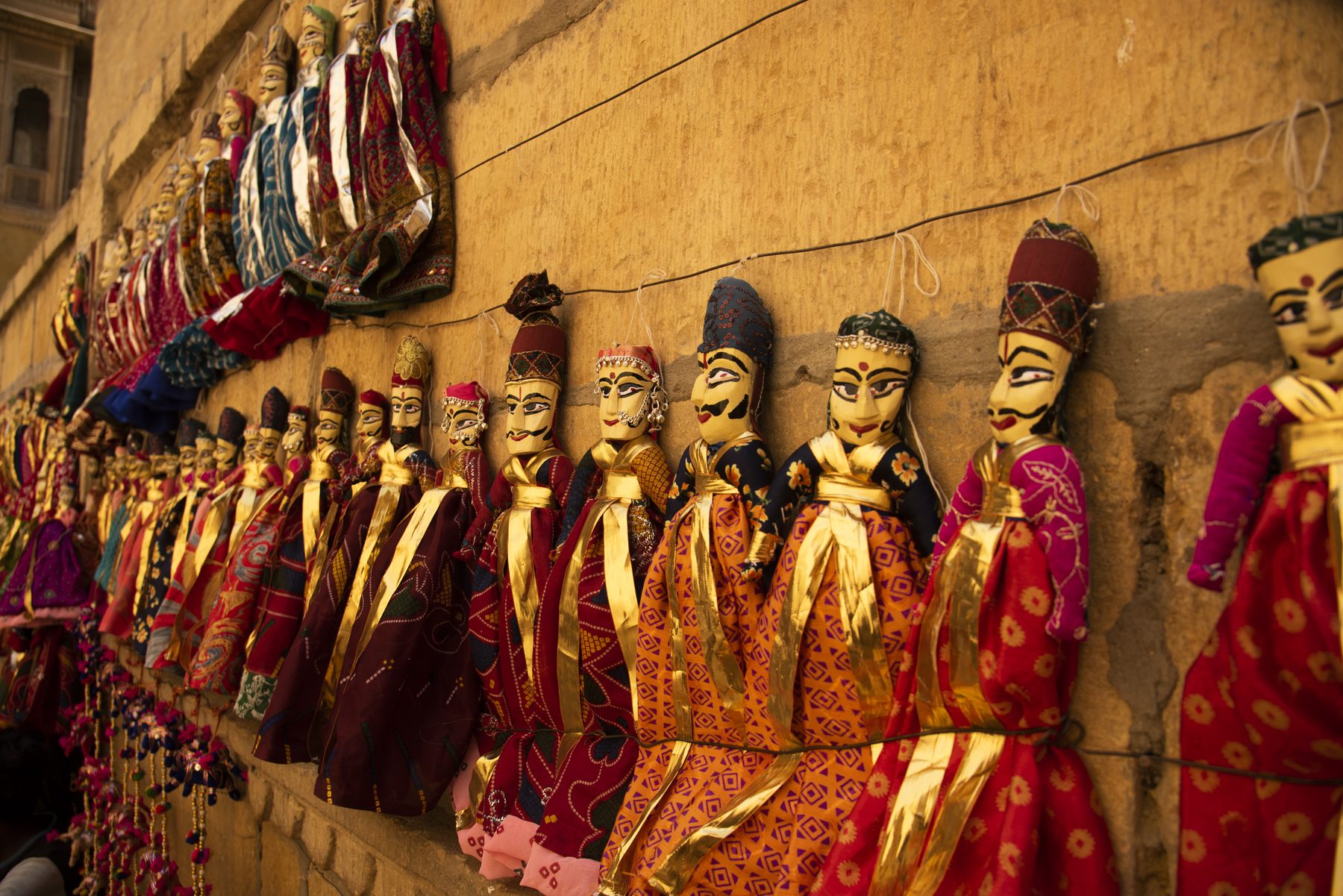
Champagne can only come from Champagne. That single legal idea, that a place can own a product, built some of the most valuable regional economies in Europe. India has quietly assembled the same raw material on a far larger canvas: its Geographical Indication registry now protects 658 products, and a large share of them are handicrafts and handlooms.
Kanchipuram silk. Thanjavur paintings. Channapatna toys. Madhubani art. Kashmiri Pashmina. Jaipur blue pottery. Moradabad metal craft. Each GI tag is a certificate that says: this thing, made this way, comes only from here and from these hands. It is heritage converted into a legally defensible brand, the kind of asset companies spend decades and fortunes trying to build.
The gap between the tag and the till
Yet walk through most GI craft clusters and you will find the tag has changed remarkably little. Studies of GI implementation in India repeatedly find the same gaps: artisans unaware of the registration, no collective body enforcing quality, counterfeits sold freely under the protected name, and no premium reaching the actual maker. A GI without enforcement and marketing is a birth certificate for a brand no one raised.
“A GI tag is a starting gun, not a finish line. The trouble is that most districts never heard it fire.”
What a working GI economy looks like
The playbook is not a mystery; the world has run it many times. It takes a producer collective that controls authenticity, a quality standard taught to every new entrant, marketing that tells the product’s story to buyers willing to pay for it, and a legal capacity that pursues counterfeits. Darjeeling tea, India’s first GI, shows pieces of this. So do the best-run European appellations. Applied to crafts, every element maps onto an institution that most clusters currently lack.
This is precisely where our Skill Center model plugs in. A centre in a GI cluster becomes the natural custodian of the standard: the place where the authentic technique is taught, where quality is certified, where the cluster’s collective brand is managed, and where the marketplace connection ensures the GI premium lands in the artisan’s account instead of evaporating in the middle of the chain.
Six hundred and fifty-eight protected products means six hundred and fifty-eight district-level economic engines, each one already named, differentiated and loved by the customers who encounter it. No other development asset in India comes with its brand equity pre-installed. It is time we treated the GI registry not as a cultural archive but as an industrial map.