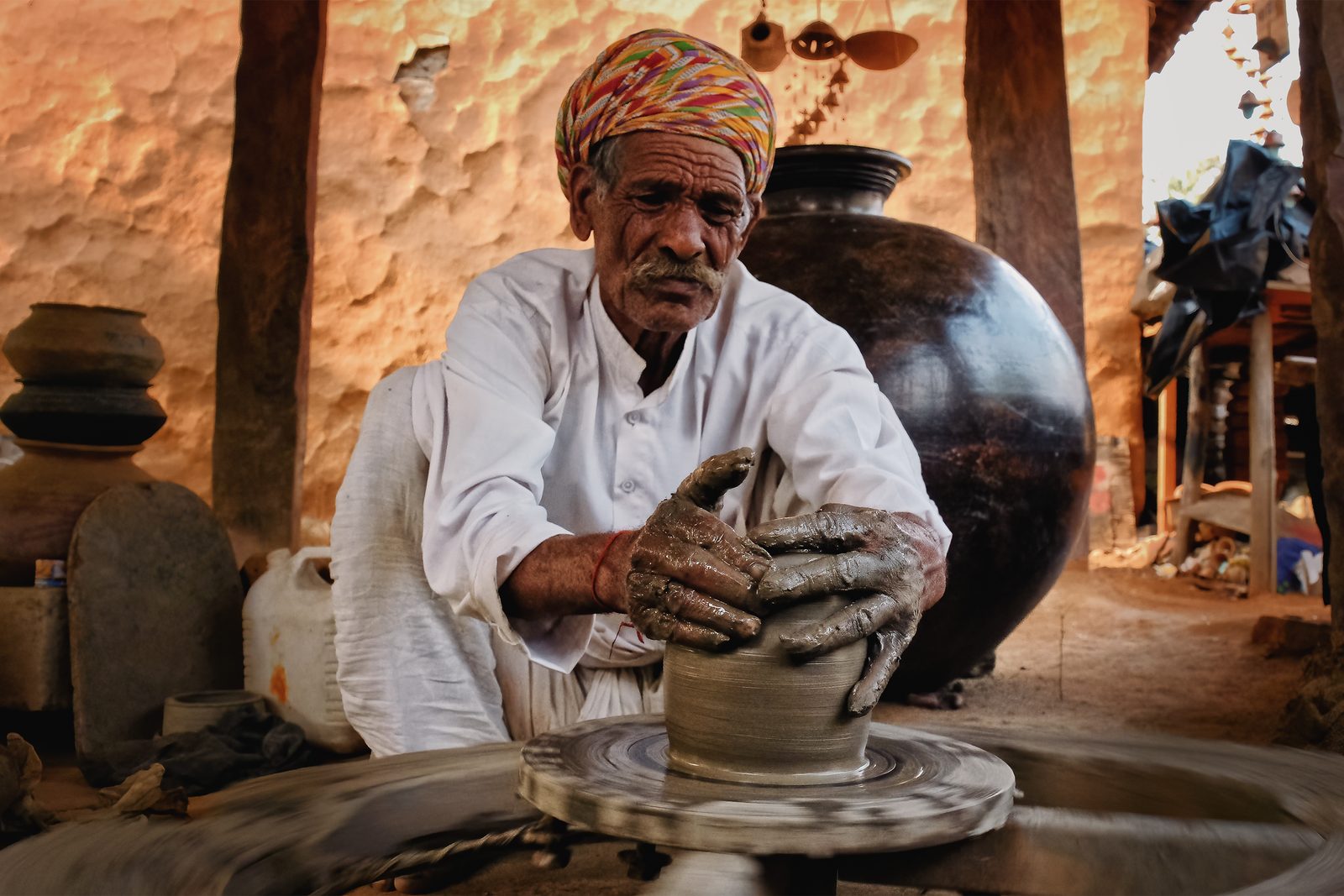
In September 2023, the Government of India launched the PM Vishwakarma scheme with an outlay of ₹13,000 crore. It was the most direct acknowledgement in decades that India’s traditional trades are national assets. Eighteen occupations are covered, from carpenters, blacksmiths and goldsmiths to potters, cobblers, tailors and toy makers. The package is thoughtful: recognition through a certificate and ID, skill training with a stipend, a toolkit incentive, collateral-free credit at concessional rates, and support for digital transactions and marketing.
Registrations poured in by the tens of lakhs, proof, if any were needed, of how many Indian families still carry an inherited trade. The scheme’s design answers real problems. Artisans lacked recognition, so it issues identity. They lacked capital, so it opens credit. Their tools were outdated, so it funds toolkits.
The lesson of every good scheme
India has learned, across decades of well-intentioned programmes, that a scheme is a promise and the last mile is where promises are kept or broken. Credit means little if the artisan has no product line that sells. A toolkit upgrade without design direction is simply newer tools. And short-duration training only goes so far when there is no institution nearby to carry the journey onward, from basic certification to genuine mastery and market readiness.
“A scheme can open a door. Only an institution can keep it open, year after year, for the next person walking up the road.”
Where Skill Centers fit
None of this is a criticism of PM Vishwakarma; it is the case for completing it. Government schemes work best when a permanent local institution catches what they deliver and compounds it. That is the role we intend our Skill Centers to play: helping artisans register and access their entitlements; extending short official trainings into deep, master-led upskilling; converting toolkit and credit support into actual product lines with actual buyers through the marketplace; and reporting back, from the ground, what the next iteration of policy should fix.
The scheme’s eighteen trades read like a map of the Indian high street as it existed for centuries. Whether they are also a map of the Indian economy in 2047 depends on what happens after registration day. The state has done something rare: it has named the artisan as a priority. Civil society’s job now is to stand beside that promise, in every district, and help carry it the last mile home.