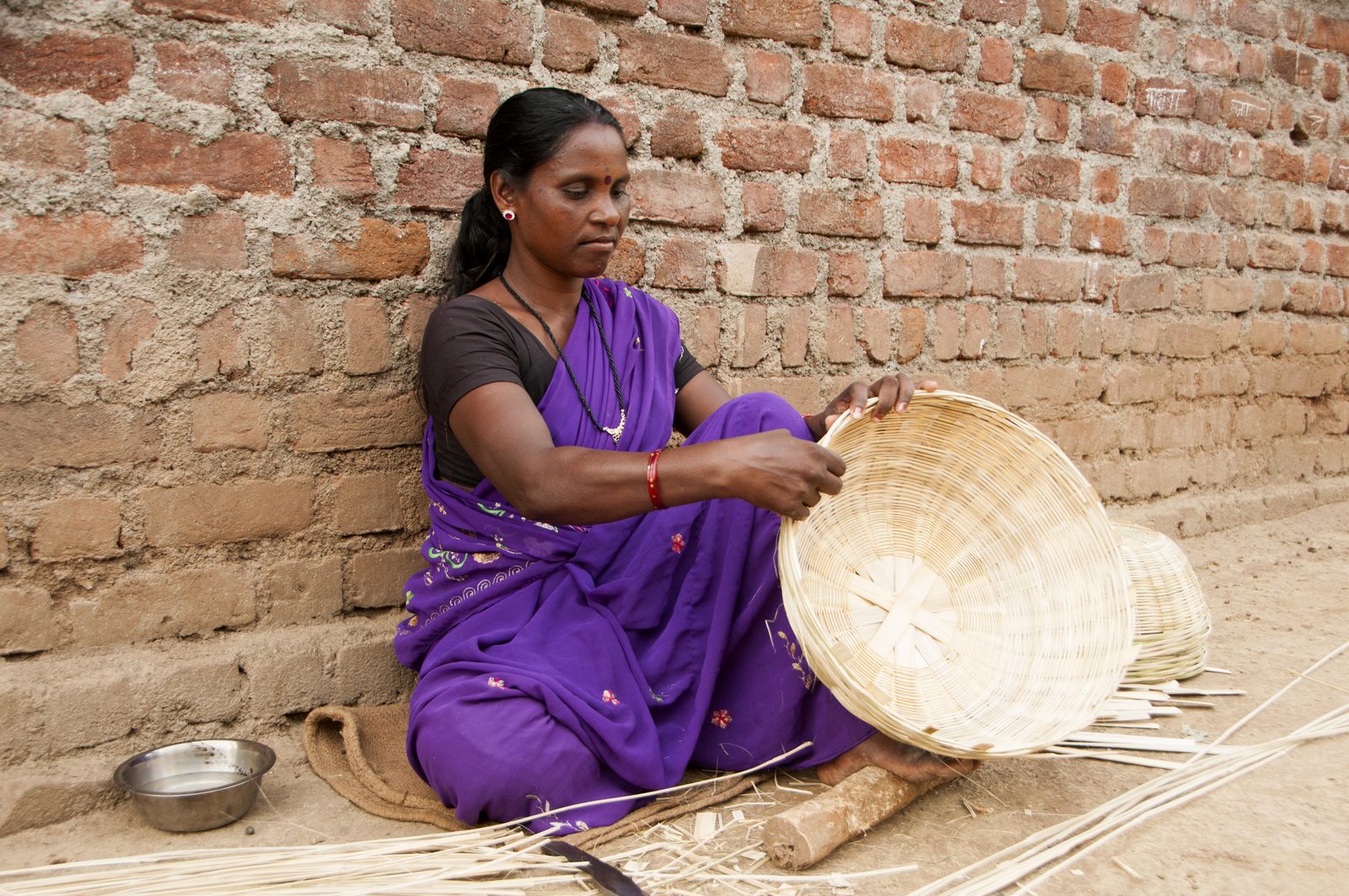
The world is spending trillions trying to invent low-carbon manufacturing. India has practised it for five thousand years and calls it craft.
Consider what a handloom actually is: a zero-electricity textile factory. A potter’s wheel: local clay, human energy, a product that returns to the earth it came from. The same holds for natural dyeing, vegetable tanning, hand-block printing, bamboo and cane work, stone and wood carving. Nearly every traditional Indian craft runs on renewable human skill, sources its materials within walking distance, and produces goods designed to be repaired, reused and inherited rather than discarded. The craft economy did not arrive late to the sustainability conversation; it wrote the original text.
The numbers behind the intuition
Textiles are among the world’s most polluting industries, and the difference between machine and hand production is not marginal. Handloom production consumes a small fraction of the energy of powerloom manufacturing (the loom itself uses none), and craft production’s distributed nature means goods are made where makers live, stripping out the freight emissions of centralised manufacturing. Meanwhile, global consumers increasingly pay premiums for verified sustainability, and brands scramble for credible green supply chains. India’s artisans have owned one all along; what they have lacked is the certification, storytelling and market access to be paid for it.
“Every handwoven metre is a manifesto: proof that beauty does not require a smokestack.”
Getting the green premium to the maker
Sustainability without a price attached is just virtue; the craft economy needs it converted into income. That means measuring and certifying the environmental footprint of craft production so it can command the premium conscious buyers already offer; positioning GI-tagged, handmade goods in markets where sustainability drives choice; and telling the story honestly, which includes modernising the corners of craft practice, such as certain dyeing processes, that genuinely need cleaner methods. Our Skill Centers fold environmental standards into training, and the marketplace carries the certified story to the buyer.
As India commits to net-zero and the world redesigns how things are made, the country holds an advantage no competitor can copy: millions of people who already know how to make beautiful, durable, low-carbon products. The future of sustainable manufacturing is not waiting to be invented. It is waiting to be paid properly.