We work across heritage, livelihood, innovation, community and education: five programmes that reinforce each other rather than five separate efforts. Here is how it fits together, and where each one is already showing up on this site.
We do not treat heritage, livelihoods, innovation, sustainability and education as five separate projects competing for attention. They are one connected mission, built around a simple idea: India's traditional knowledge is not something to be preserved behind glass. It is a working asset that can still employ people, solve real problems and teach the next generation, if it is given the right structure to do so.
India has over 64 lakh artisans registered with the Development Commissioner (Handicrafts) and 35.2 lakh handloom workers counted in the 4th Handloom Census, one of the largest skilled workforces on earth. What that workforce is missing is rarely the skill itself. It is documentation, income, modern tools, community support and a next generation willing to carry it forward. Each of our five focus areas exists to close one of those gaps.
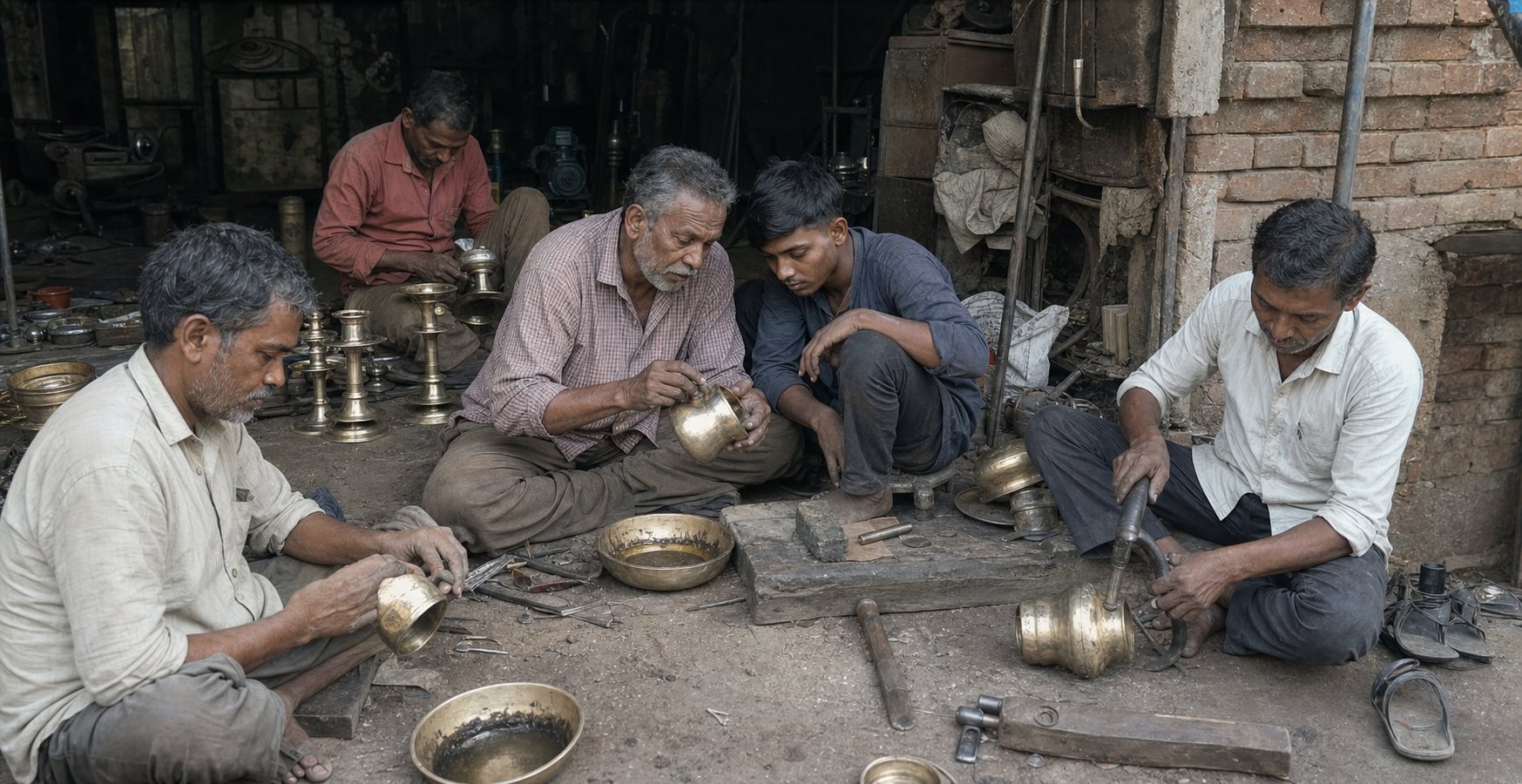
We start by identifying the workshops, families and practitioners whose craft genuinely qualifies as living heritage: skills that have been practised continuously, are still active today, and are at real risk of disappearing if nothing changes. Once a workshop qualifies for the programme, we do not simply record what they do and move on.
We preserve and support the practice as it stands today, then go further. We help develop the workshop itself into a full Skill Center, bring in modern tools and better processes to lift productivity without changing what makes the craft authentic, and build a structured way for the master to train the next generation of apprentices, so the knowledge has somewhere to go.
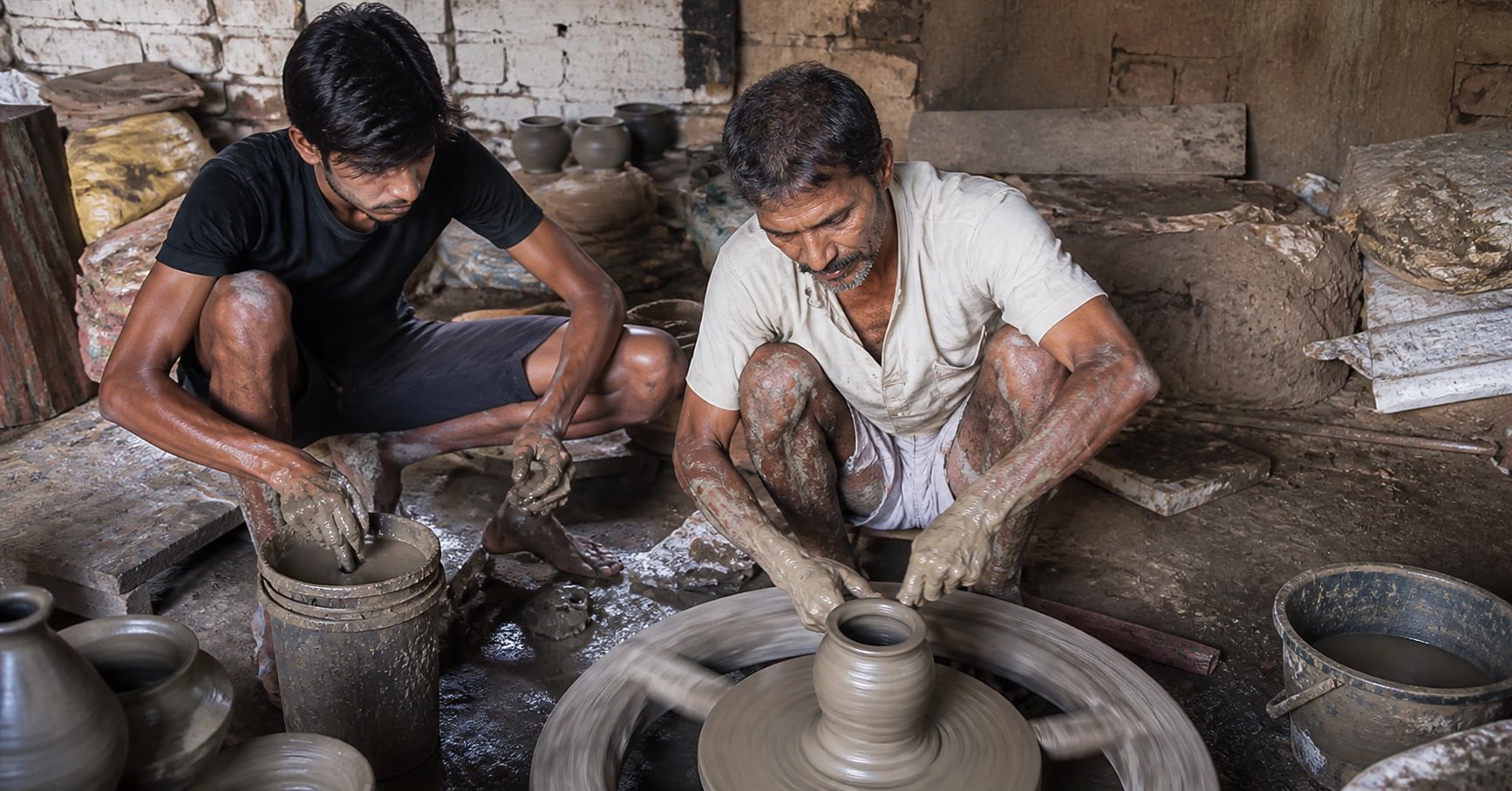
A skill that cannot pay the bills eventually gets abandoned, however beautiful it is. This programme exists to close that gap. We run skills diagnostics to understand what a learner already knows, build training pathways that respect that starting point, and pair people with mentors who have already made a living from the same craft.
We pay particular attention to youth, women, artisans and communities the mainstream economy tends to overlook. Training on its own is not enough, so every pathway ends in something concrete: an apprenticeship, a market connection, or the digital tools to sell what they make. This is the programme behind our Skill Centers, and the one we track most closely for real income outcomes, not just attendance.
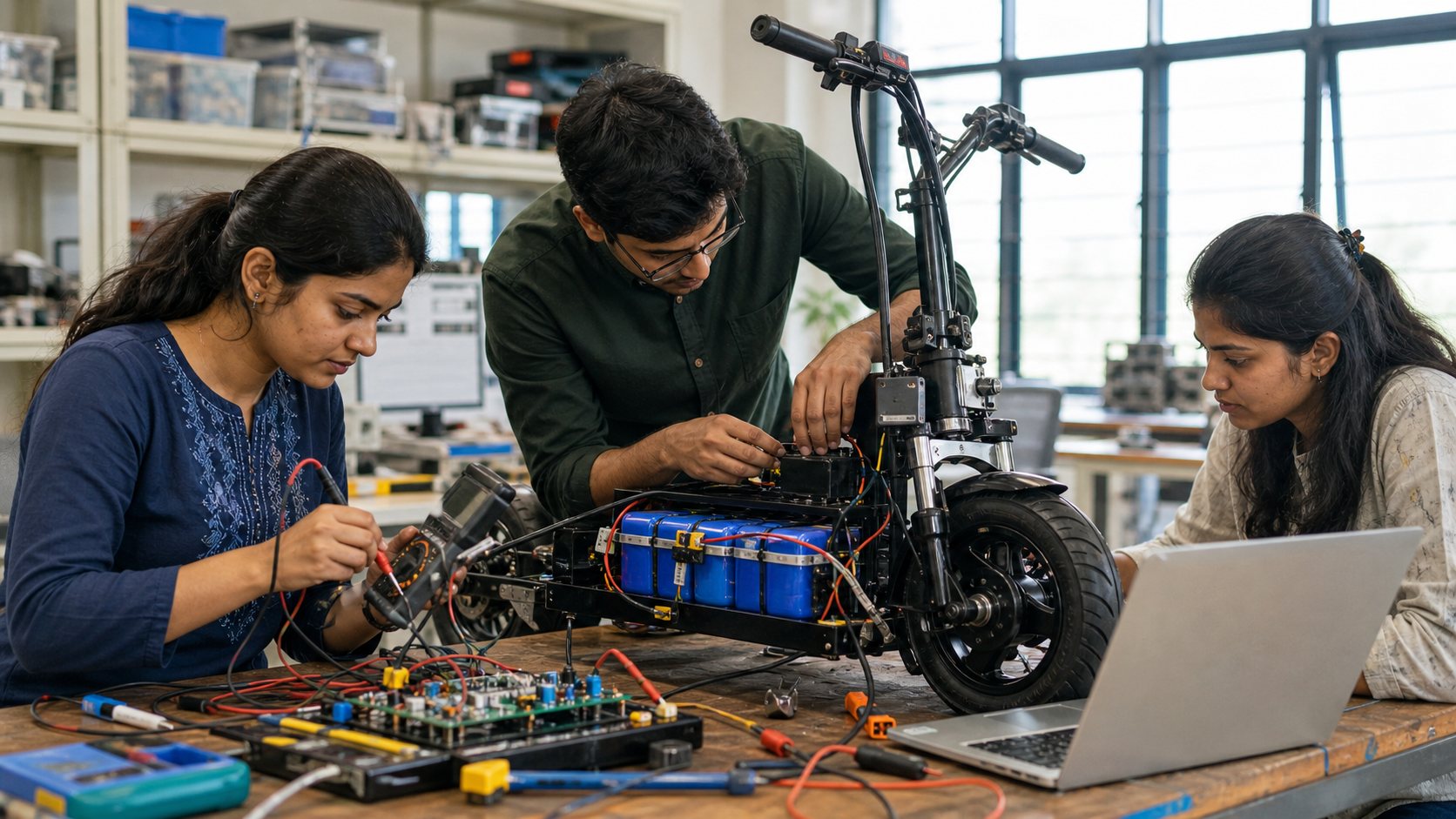
It is easy to assume this programme is only about craft: an old weaving technique finding a modern buyer. That is one part of it, not the whole of it. We are not built only for artisans. We exist for the wider community, students, engineers, scientists, small businesses, and anyone else with a genuine idea that can move the country forward. Innovation Lab is where those ideas find support, whatever field they come from.
We back heritage innovation, where traditional knowledge meets modern design, and we back a purely technical, agricultural, digital or social idea with nothing to do with craft in exactly the same way. Every project gets mentoring, technical partnerships and a route to market, and every idea is checked for safety, data and intellectual property before it goes further, because that same rigour applies no matter where the idea comes from.
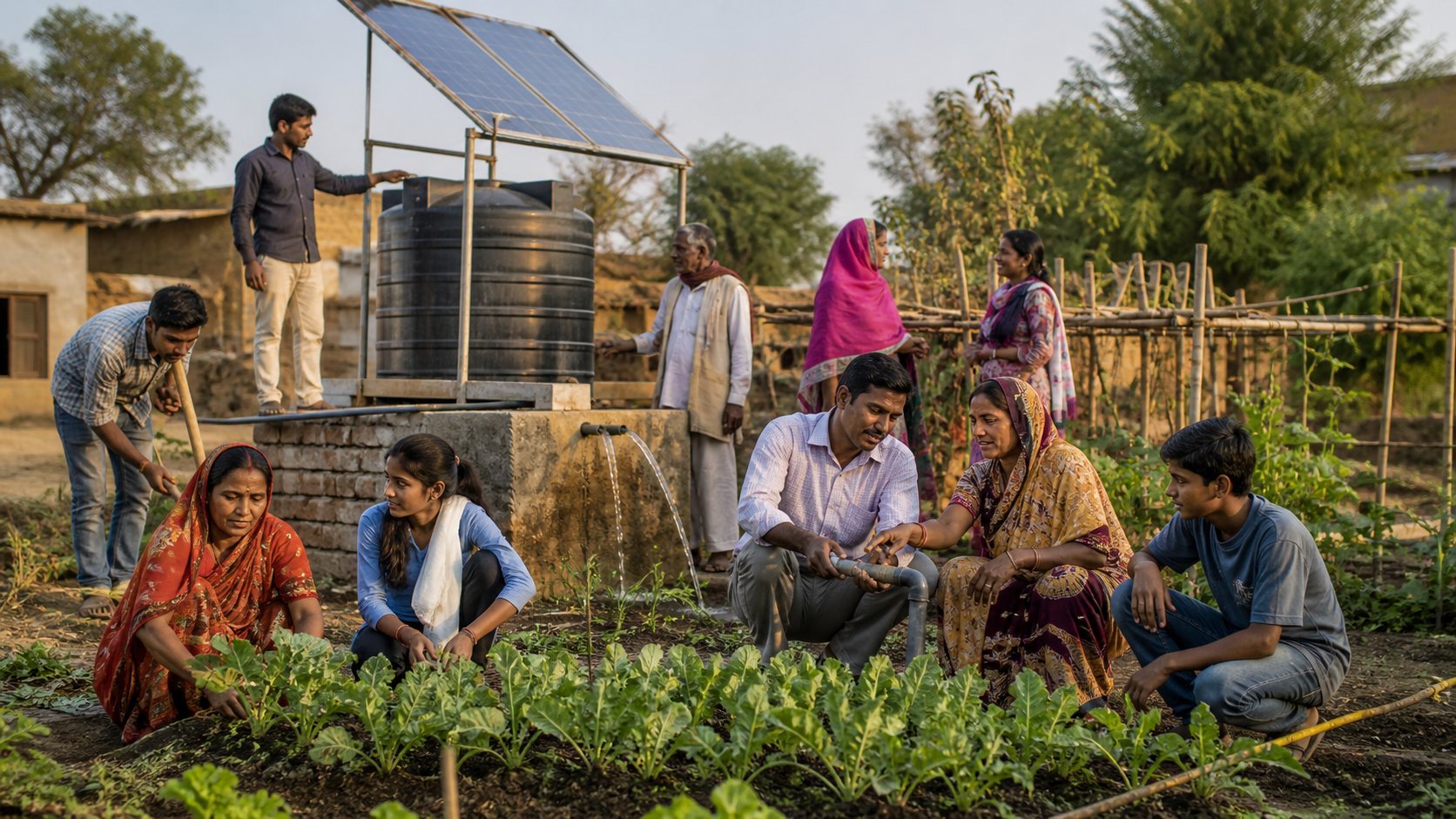
The most durable fixes are the ones a community builds and maintains for itself, not the ones handed down and left behind. This programme works on water, waste, energy, sustainable agriculture and green skills, always starting from what a community already has and what it is willing to keep running after we step back.
We favour small, community-governed pilots over large, top-down projects. A better irrigation habit, a working composting system, a small solar installation someone in the village knows how to repair: these are the wins we look for, because they tend to survive. We track adoption and cost savings as closely as we track anything else on this page.
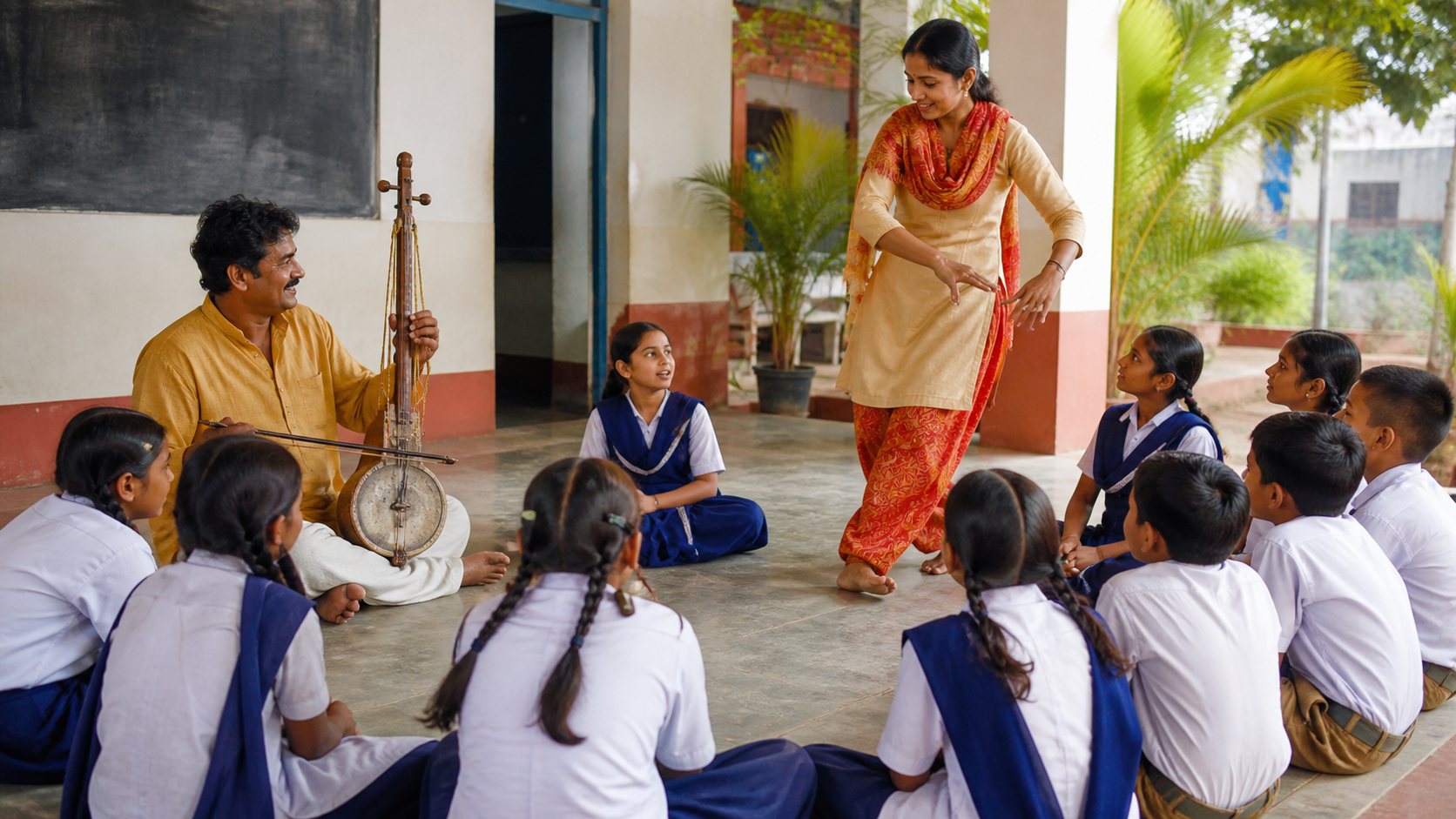
None of the first four focus areas matter in twenty years if no one young is left who cares. Skillvarsity is our answer to that risk: an education and affiliation network that introduces school students to India's skills and traditions, not as a history lesson, but as something they can touch, try and possibly choose to carry forward.
Schools take part through awareness sessions, practitioner demonstrations and heritage clubs, while our affiliated Skill Hubs offer more structured, hands-on training for those who want to go further. Every partner works under the same trainer, curriculum and child-safeguarding standards, so the quality of the experience does not depend on which school or hub a student happens to walk into.
Whether you are an artisan, educator, corporate partner, volunteer or simply curious to learn more, there is a way in. Tell us where your interest lies and we will point you to the right programme.